What if a raindrop could remind you of something you forgot to thank someone for? Discover how The Steady Work of Love by Rodica Musgrave explores this in our full review.
Book Title and Author
The Steady Work of Love by Rodica Musgrave
Genre, Sub-genres, and Themes
Genre: Poetry
Sub-genres: Christian poetry, devotional poetry, inspirational poetry, reflective poetry, nature poetry
Themes: Faith, prayer, gratitude, grace, family, motherhood, grandchildren, love, time, emotional renewal, nature, travel, perseverance, and spiritual contemplation.
Intended audience: Adult readers and older young adults who appreciate Christian devotional literature, reflective poetry, and writing about family and everyday life.
Minimum age: No formal minimum age is specified. The language is generally accessible, although the devotional emphasis is primarily suited to readers able to engage with its themes.
Review
When was the last time an ordinary morning felt like something worth remembering? Not because a major event occurred, but because the light changed, someone laughed, or a familiar voice made the day feel different? In The Steady Work of Love, Rodica Musgrave turns this kind of everyday observation into the foundation of a Christian poetry collection about faith, family, nature, and gratitude.
Organised into five sections, the collection moves from reflections on love and trust to the changing seasons of the heart, the gifts found in daily life, journeys near and far, and a closing series of benedictions. Rather than following a plot or developing fictional characters, the poems invite readers into a sequence of meditations. The connecting thread is the author’s understanding of God’s presence in ordinary experiences and the ways faith can shape how those experiences are received.
One of the collection’s defining features is its use of the natural world. Rain becomes an image of renewal, sunlight suggests hope, and flowers, birds, trees, and water provide ways to reflect on creation and spiritual life. In “Like Rain, Like Snow,” the movement of water becomes a metaphor for gradual growth. Elsewhere, “The Elegant Elephant” observes an animal’s movement and form, using that encounter to consider beauty and the variety of life. These poems demonstrate how a familiar sight can become an invitation to pause and look more carefully.
The collection also draws on family relationships. Poems about a husband, children, daughters, and grandchildren convey affection through shared time, everyday memories, and the recognition that childhood and family seasons change. “Grandsons, Our Son, and Growing Seasons,” for instance, captures the energy of younger family members while acknowledging how quickly they grow. The result is a reminder that meaningful relationships are built not only through major occasions but also through repeated, ordinary encounters.
Faith is central throughout the book. The poems use prayer, biblical references, and direct addresses to God to consider gratitude, surrender, uncertainty, and spiritual renewal. Readers who share the author’s Christian outlook will recognise the collection’s devotional framework. Those approaching it from outside that tradition can still observe how the poems organise personal experience around a consistent set of convictions, although some passages will be less accessible without an interest in Christian theology.
The writing is generally straightforward, with rhyme, repetition, and familiar imagery making many poems easy to follow. However, the poetic craft is not equally strong throughout. Some rhymes feel predictable, and certain expressions repeat ideas that earlier poems have already established. The collection’s consistent message provides unity, but it also limits the variation in tone and technique. More experimentation with rhythm, imagery, and line structure could have given individual poems a stronger identity.
The book is best suited to readers who enjoy devotional poetry that can be read slowly, revisited, or used as a starting point for personal reflection. It will be less suitable for those seeking secular verse, experimental poetry, or a collection built around sharply contrasting voices and styles.
Ultimately, The Steady Work of Love is concerned with attention: noticing the people beside us, the world around us, and the beliefs that give our experiences meaning. Its greatest strength is its steady focus on gratitude and everyday life. Although its familiar language and recurring patterns sometimes limit its literary impact, the collection offers readers a clear and consistent invitation to pause, reflect, and consider what deserves their attention.
Further Notes
The collection contains references to sorrow, emotional difficulty, spiritual uncertainty, and Christ’s crucifixion, but these are presented in a reflective, devotional context rather than through graphic descriptions.
Important Notes
At Words of Hope and Optimism, the views expressed in our posts reflect each writer’s own insights and emphasize uplifting themes of hope and inspiration. Our platform showcases a variety of writings, demonstrating our commitment to respect diverse perspectives on these important topics. All of our reviews on this site are unpaid.
If you have questions or concerns, please reach out. We invite you to engage with our content and explore the nuances of each work. For more details, please visit our full review policy, site disclaimer, and privacy policy.
Your Insights Matter
As we explore the themes of hope and optimism in our feature, we’d love to know your thoughts!
- What do you think about this post?
- Which part or message resonated with you the most?
- What other ideas would you like to share from your own life’s journey?
Do comment below.
Useful Links
Here are the shortcuts to our site’s important pages:
- About Words of Hope and Optimism
- Book Review Requests Step 3
- Uplifting Lit Award
- Blogs of Hope and Optimism
Meanwhile, here are the links to some of our content:
- 365 Days of Quotes
- Archives
- Book Reviews of Hope and Optimism
- Children's Book
- Christian
- Coming of Age
- Conversations of Hope and Optimism
- Expert Insights
- Freebies, Discounts, and Other Promos
- Guest Posts
- Historical Fiction
- Interviews
- Non-fiction
- Other Fiction
- Passion
- People
- Perspectives
- Places
- Poems of Hope and Optimism
- Poetry
- Poetry Month Poems by E
- Positive Results
- Quotes from the Bible
- Quotes of Hope and Optimism
- Reviews by E
- Sci-Fi/Fantasy
- Snippets of Hope and Optimism
- Something Aussie
- Something Filipino
- Stories of Hope and Optimism
- Today's Feature
- Uplifting Lit Award Winners
More Like This Post
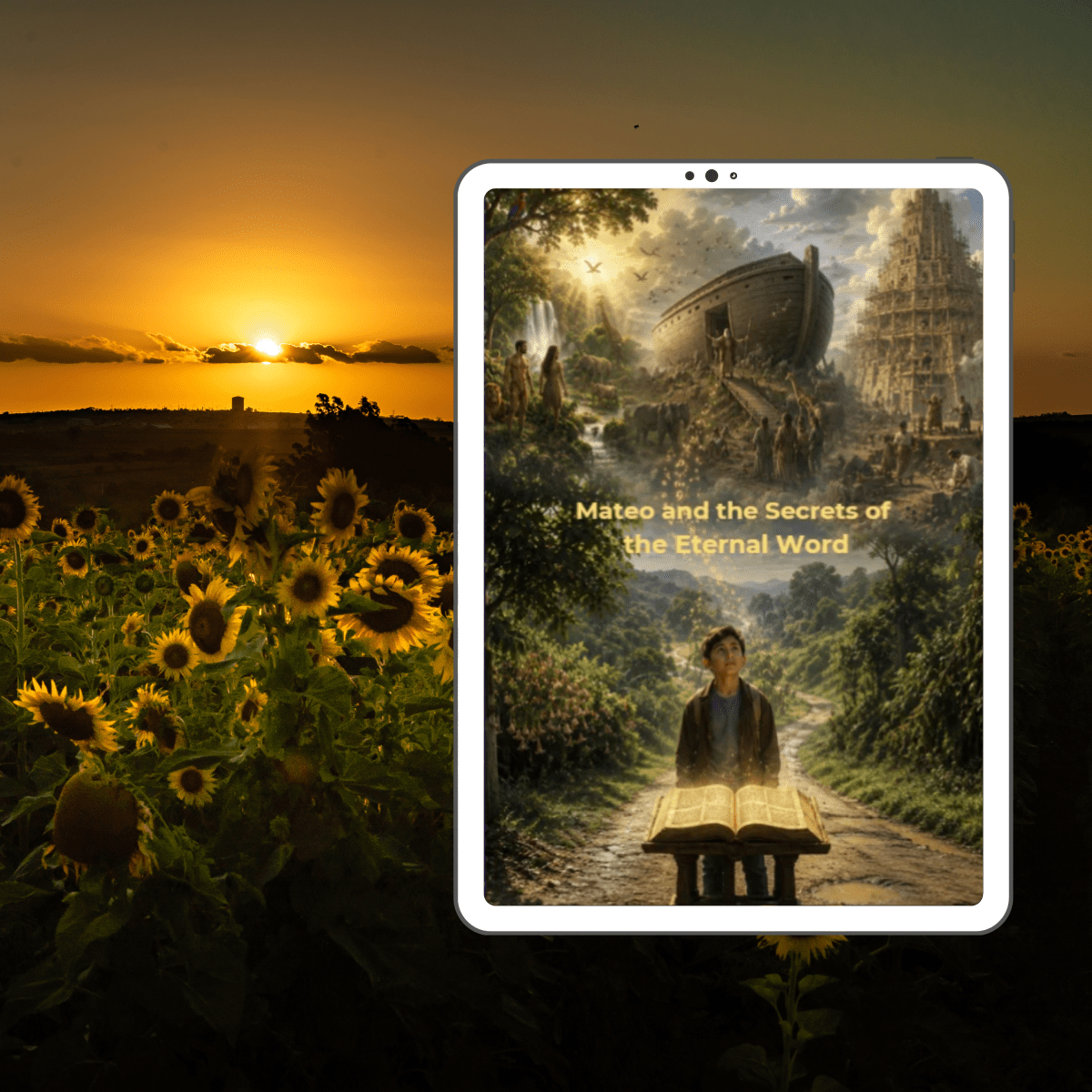
Book Review: Mateo and the Secrets of the Eternal Word by Steve R. Hartwig
What if the oldest classroom in history had no desks, only time itself? Discover how Mateo and the Secrets of the Eternal Word by Steve R. Hartwig explores that remarkable idea in our review.
Keep reading
Book Review of God Is Good: Simply the Gospel of Jesus Christ by Ivon Hartness
What if a single ancient story could reshape how you see failure, purpose, and hope? Discover how God Is Good: Simply the Gospel of Jesus Christ by Ivon Hartness answers this—read on.
Keep reading
Habits Restore Perspective and Hope
Ever felt like your problems are bigger than the planet? This roundup shares unusual and practical habits to regain perspective, helping readers see overwhelm in a new, manageable light.
Keep readingDiscover more from Words of Hope and Optimism
Subscribe to get the latest posts sent to your email.

